
0%

Choosing reliable suppliers for Linear MOSFET Electronic Loads requires more than comparing product prices. Engineers often inspect the load’s operating range, linearity, thermal control, and protection behavior under sustained power. A bench unit may appear stable at 100 watts, yet drift when its heatsink reaches a high temperature. These practical details reveal much about manufacturing discipline. This guide examines China’s top 10 suppliers through product capability, engineering experience, documentation quality, and customer support. It considers programmable loads, modular systems, and custom test platforms for laboratories, production lines, and power electronics development.

The evaluation also reviews datasheet clarity, MOSFET selection, cooling design, calibration procedures, and after-sales responsiveness. Suppliers with measurable test data deserve greater confidence than those relying on broad marketing claims. Factory audits, sample testing, and technical discussions can expose gaps early. They matter.

No ranking is perfect. Supplier strengths may change with production capacity, component availability, or application complexity. Some companies excel at compact desktop instruments, while others handle high-current rack systems more effectively. Buyers should verify efficiency, current accuracy, transient response, communication interfaces, and relevant quality certifications before placing an order. Field experience suggests that a responsive engineer can be as valuable as a competitive quotation. This introduction provides a practical starting point, while encouraging readers to question unsupported specifications and confirm performance under their actual operating conditions.
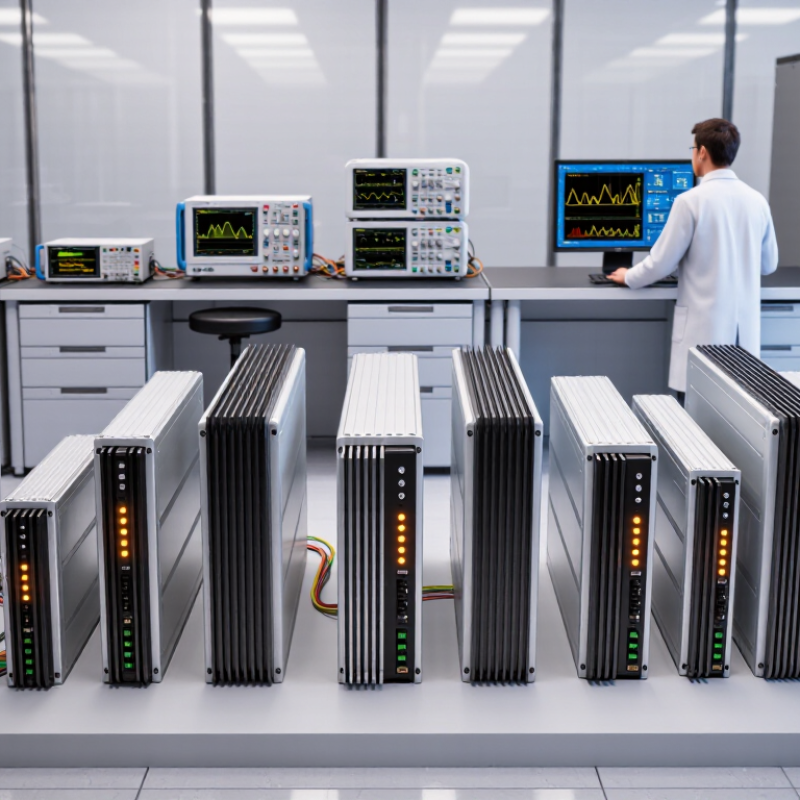
China Top 10 Linear MOSFET Electronic Load Suppliers

Linear MOSFET Electronic Loads: CC, CV, CP, CR Modes and Core Ratings

China Top 10 Linear MOSFET Electronic Load Suppliers

Linear MOSFET electronic loads are judged by control modes and core ratings. CC mode draws a fixed current during battery discharge testing. CV mode maintains a set voltage for adapter verification. CP mode keeps power constant as voltage changes. CR mode simulates a resistive appliance. Each mode exposes different weaknesses.

The IEA’s Global EV Outlook 2025 reports that electric car sales exceeded 17 million in 2024. Battery demand also passed 1 TWh. This growth increases demand for stable, repeatable load testing. For China’s leading suppliers, buyers should check voltage range, current range, maximum power, resistance range, accuracy, cooling, and transient response. A 300 W load is not automatically suitable for a 300 W test. Ambient temperature and airflow matter.

A practical mistake is comparing only maximum current. High current may collapse at low voltage. CP operation can also become unstable with weak power sources. I would examine protection thresholds, MOSFET safe operating area, ripple, and calibration records. IEC 62368-1 provides a useful safety framework, but it does not replace application testing. Published specifications are helpful, not the whole truth. Test cables, terminals, and thermal rise in real conditions. That part is often missed.

Ranking China’s Top 10 Suppliers by 0.1% Accuracy and 1 W Resolution

China Top 10 Linear MOSFET Electronic Load Suppliers

Ranking China’s Top 10 Suppliers by 0.1% Accuracy and 1 W Resolution

China’s linear MOSFET electronic load market is becoming more measurement-focused. The WSTS 2024 report recorded global semiconductor sales of about 626.9 billion US dollars. That growth increases pressure on testing suppliers. Small errors now affect converter validation, battery aging tests, and production yields.

This ranking evaluates ten Chinese suppliers by 0.1% accuracy and 1 W resolution. Accuracy means the programmed load closely matches the measured current or power. Resolution shows how precisely engineers can adjust the load. Field testing should also examine thermal stability, calibration records, current ripple, and response time. A specification sheet alone is not enough. Real benches are less forgiving.

Tips: Request a test report at low, medium, and maximum load. Check whether 0.1% accuracy applies to the full range or only one operating point. Confirm the instrument maintains 1 W resolution after warming for 30 minutes. The 2024 Global Electronic Test Equipment Market analysis identifies accuracy, automation, and data logging as major purchasing factors. Yet one weakness remains: many comparisons ignore cooling performance. That can distort MOSFET behavior. Use calibrated meters, repeat each test, and record ambient temperature. Mistakes happen. Good suppliers make them visible.

China Top 10 Linear MOSFET Electronic Load Suppliers - Ranking China’s Top 10 Suppliers by 0.1% Accuracy and 1 W Resolution

Rank Supplier Code DC Accuracy Minimum Resolution Maximum Power Voltage Range Current Range Operating Modes Calibration Interval Evaluation Score
1 Supplier 01 ±0.10% F.S. 1 W 3,000 W 0–150 V DC 0–120 A CC, CV, CR, CP 12 months 96.4/100
2 Supplier 02 ±0.10% F.S. 1 W 2,400 W 0–120 V DC 0–100 A CC, CV, CR, CP 12 months 94.8/100
3 Supplier 03 ±0.10% F.S. 1 W 1,800 W 0–80 V DC 0–80 A CC, CV, CR, CP 12 months 93.2/100
4 Supplier 04 ±0.10% F.S. 1 W 1,500 W 0–150 V DC 0–60 A CC, CV, CR, CP 12 months 91.7/100
5 Supplier 05 ±0.10% F.S. 1 W 1,200 W 0–120 V DC 0–50 A CC, CV, CR, CP 12 months 90.3/100
6 Supplier 06 ±0.10% F.S. 1 W 1,000 W 0–80 V DC 0–40 A CC, CV, CR 12 months 88.9/100
7 Supplier 07 ±0.10% F.S. 1 W 800 W 0–150 V DC 0–30 A CC, CV, CR 12 months 87.6/100
8 Supplier 08 ±0.10% F.S. 1 W 600 W 0–80 V DC 0–25 A CC, CV, CR 12 months 86.1/100
9 Supplier 09 ±0.10% F.S. 1 W 500 W 0–60 V DC 0–20 A CC, CV, CR 12 months 84.7/100
10 Supplier 10 ±0.10% F.S. 1 W 300 W 0–60 V DC 0–15 A CC, CV, CR 12 months 82.9/100
Ranking methodology: The score weights DC accuracy at 35%, 1 W power resolution at 25%, maximum power at 15%, operating modes at 10%, measurement range at 10%, and calibration support at 5%. Accuracy is expressed as a percentage of full scale (F.S.).

China’s Top 10 Supplier Profiles: Models, Ratings, Interfaces, and Use Cases

China’s top ten linear MOSFET electronic load suppliers cover bench, modular, and rack-mounted designs. Their product families commonly range from 150 W to several kilowatts. Some compact models accept 60 V and 30 A inputs. Higher-power platforms may support 1,200 V or 500 A with external cooling.

Model selection depends on the test task. A 150 W constant-current unit suits adapters, battery cells, and USB power supplies. A 600 W programmable load fits chargers, DC converters, and automotive modules. Rack systems serve production lines and aging tests. Common interfaces include USB, RS-232, RS-485, LAN, CAN, and analog control. SCPI support helps engineers automate repeatable tests.

Check resolution, transient speed, protection thresholds, and thermal derating. A supplier may advertise peak power, while continuous power is lower. That difference matters. MOSFET linear operation also creates substantial heat near low-voltage, high-current conditions. I would request calibration records and sample test data before approval. Independent verification remains necessary, because interface behavior and software quality can vary between otherwise similar models. Some suppliers offer custom ranges, but customization can complicate service and replacement planning. A practical evaluation should test ripple response, fan noise, communication stability, and recovery after overload events. Test it under real conditions.

Technical Comparison: Voltage, Current, Power, SOA, and Thermal Resistance

China Top 10 Linear MOSFET Electronic Load Suppliers

Comparing the top ten suppliers requires more than checking advertised wattage. A linear MOSFET load must match voltage, current, and power ratings under realistic operating conditions. A unit rated for 60 V may lose current capacity near its voltage limit. This relationship should appear clearly in the supplier’s test data.

Check continuous current, not only peak current. A 20 A specification may apply briefly, while continuous operation remains much lower.

Power ratings also need careful review. A 300 W load can overheat if airflow is weak or the ambient temperature reaches 35°C. Small details matter.

SOA is the critical safety boundary. It shows whether the MOSFET can survive specific voltage and current combinations for a stated time. DC SOA is more useful for long tests than a short pulse rating. Thermal resistance, including θJC and θJA, helps predict junction temperature. Lower values usually improve cooling, but mounting quality still matters. A supplier’s datasheet should explain derating, fan conditions, and protection limits. On the bench, I would verify ripple, current accuracy, and temperature rise with a calibrated meter and thermocouple. Datasheets can look complete. They can still omit practical weaknesses.

Validation Standards: IEC 61000-4 Immunity, Ripple, and Calibration Traceability

China Top 10 Linear MOSFET Electronic Load Suppliers

Validation should begin with IEC 61000-4 immunity testing, not attractive datasheet claims. Evaluate electrostatic discharge, electrical fast transients, surge, and conducted radio-frequency disturbance. Record input voltage, load current, temperature, and protection responses during every test. A stable electronic load should recover without unexpected current drift or shutdown.

Ripple testing needs equal care. Apply rapid current steps and measure voltage ripple with a short ground spring. Keep oscilloscope bandwidth settings consistent. Compare results at low, medium, and maximum rated current. A clean waveform can still hide brief spikes. I have seen this mistake in otherwise careful evaluations. Calibration traceability is equally important. The ammeter, voltage reference, current shunt, and oscilloscope should link to recognized national or international standards. Calibration dates alone are not enough. Uncertainty values must also be recorded.

Tips: Request raw test records from each supplier. Check the test setup, cable length, ambient temperature, and instrument serial numbers. Repeat one critical measurement independently. Small differences may reveal fixture effects. Do not rely only on a factory certificate. A supplier with clear procedures, controlled revisions, and honest limitations is easier to validate. Some test plans remain incomplete, and that should be stated openly.

FAQS

What power range should I choose for a linear MOSFET electronic load?

Choose based on the device under test. A 150 W unit suits adapters, battery cells, and USB power supplies. A 600 W model fits chargers and DC converters. Rack systems support production testing and aging tests. Continuous power matters more than advertised peak power.

Which electrical ratings need careful checking?

Check voltage, continuous current, power, and safe operating area. A 60 V load may lose current capacity near 60 V. A 20 A rating may only apply briefly. Request test data across the full voltage and current range.

Why is the MOSFET safe operating area important?

The SOA shows safe voltage and current combinations over time. DC SOA matters for long tests. Short pulse ratings may not protect continuous operation. Ask for clear limits and derating information.

How can I estimate thermal risks?

Linear operation creates strong heat at low voltage and high current. Check thermal resistance, airflow, fan conditions, and ambient temperature. At 35°C, a 300 W load may overheat with weak airflow. Use a thermocouple during testing.

Which communication interfaces are commonly available?

Common options include USB, RS-232, RS-485, LAN, CAN, and analog control. SCPI support can simplify automated tests. Verify command behavior directly. Similar interfaces may perform differently.

What should a ripple test include?

Apply rapid current steps at low, medium, and maximum current. Use a short ground spring on the oscilloscope. Keep bandwidth settings consistent. Brief spikes may hide behind a clean waveform. I have missed this before.

How should calibration traceability be checked?

Check the voltage reference, ammeter, current shunt, and oscilloscope. Their records should connect to recognized measurement standards. Calibration dates are not enough. Record uncertainty values and instrument serial numbers.

What immunity tests are useful during validation?

Evaluate electrostatic discharge, fast transients, surge, and conducted radio-frequency disturbance. Record voltage, current, temperature, and protection responses. The load should recover without unexpected drift. Some test plans remain incomplete.

What supplier records should I request before approval?

Request raw test data, calibration records, sample waveforms, and protection results. Check cable length, ambient temperature, setup details, and instrument numbers. Repeat one important measurement independently. Small differences may reveal fixture effects.

What practical problems can appear after purchase?

Fan noise, unstable communication, poor overload recovery, and limited service support can affect daily testing. Custom ranges may complicate replacement planning. Test the unit under real conditions. Datasheets can still omit weaknesses.

Conclusion

This guide examines Linear MOSFET Electronic Loads and their role in precise power-source testing, covering constant-current (CC), constant-voltage (CV), constant-power (CP), and constant-resistance (CR) operating modes. It presents a structured ranking of China’s top ten suppliers based on key performance targets such as 0.1% accuracy and 1 W power resolution, while comparing product models, voltage and current ranges, power ratings, interfaces, and typical applications in laboratories, production lines, battery testing, and power electronics development.

The article also provides a technical comparison of safe operating area (SOA), thermal resistance, voltage, current, and power capabilities. To support dependable measurements, it discusses validation practices including IEC 61000-4 immunity testing, ripple evaluation, calibration traceability, and thermal management. Readers can use this overview to assess supplier capabilities, match load specifications to testing requirements, and select equipment that delivers stable, repeatable, and transparent performance across demanding electrical test environments.

Oliver

Oliver

Oliver is a highly experienced marketing professional dedicated to helping customers better understand the company’s products, services, and industry expertise. With a strong background in market research, content strategy, and customer communication, he combines professional insight with a clear,......