
Explore our heavy-duty resistive, inductive, reactive, and liquid-cooled load banks engineered for critical generator verification, UPS commissioning, grid synchronization, and data center validation.
An in-depth analysis of resistive, inductive, and liquid-cooled load bank architectures for high-availability energy infrastructure.
Electrical power validation is no longer a simple routine maintenance check; it is a critical mandate for operational survival in modern industrial complexes, mission-critical data centers, marine vessel operations, and municipal utility networks. A load bank is an intention-built, stationary or portable electrical testing device designed to simulate real-world electrical load demand by dissipating real (kW) and reactive (kVAR) electrical power. By placing prime movers—such as diesel generator sets, turbine generators, uninterrupted power supply (UPS) units, and renewable microgrids—under rigorous, controlled thermal and electrical stresses, engineers can rigorously evaluate system transient response, cooling dynamics, voltage stability, and fuel combustion efficiency under total full-load parameters without risking live utility interruption.
When operating across critical markets like Istanbul—a cross-continental financial, logistics, and maritime hub—power grid instability, severe climatic variations, and heavy marine/industrial duties require equipment designed to rigorous global standards (such as ISO 8528, IEC 60034, and IEEE Std 45). Standard off-the-shelf testing instruments frequently suffer from element degradation, thermal runaway, insulation breakdown, and localized harmonic distortion. Advanced engineering topologies—incorporating stainless steel alloy resistive elements (such as Cr20Ni80 nickel-chromium), vacuum-impregnated inductive reactors, software-guided automatic step-loading, and liquid-cooled cooling loops—ensure consistent thermal dissipation and zero-drift electrical absorption over multi-day continuous full-capacity trials.
| Load Bank Topology | Power Factor Range | Voltage Envelope | Cooling Mechanism | Primary Technical Use Case |
|---|---|---|---|---|
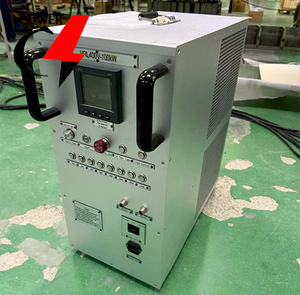
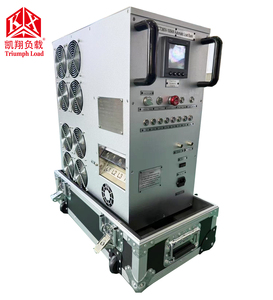
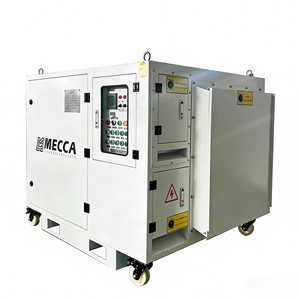
| Portable Resistive (50kW - 300kW) | 1.0 (Unity) | 380V - 415V AC / DC | Forced Air-Cooled (Axial Fans) | On-site generator commissioning, rack-level server bay emulation, routine mobile maintenance. |
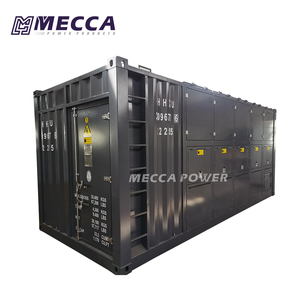
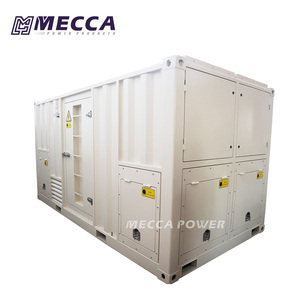
| Containerized R/I/R (1MW - 5MW) | 0.8 Lagging to 1.0 | 400V - 690V / 10.5kV | Heavy-Duty Duct Fan Blower | Utility grid interconnection, marine power plant validation, prime power generator testing. |
| High Voltage Direct (10.5kV - 20kV) | 0.8 to 1.0 (Adjustable) | 10.5kV, 13.8kV, 20kV | Dual-Chamber Forced Air | Medium/High-voltage substation verification without intermediate step-down transformers. |
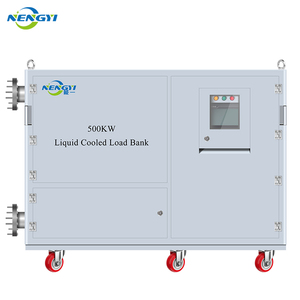
| Liquid-Cooled Closed Loop (500kW+) | 1.0 (Pure Resistive) | 380V - 480V 3P4W | Chilled Water / Glycol Heat Exchanger | Confined spaces, zero-noise urban data centers, industrial process liquid heat recovery. |
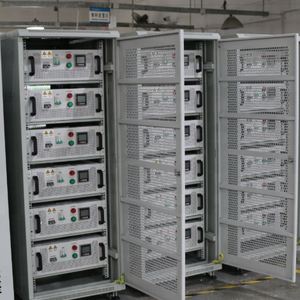
| Rack-Mounted Server Emulators | 0.95 to 1.0 | 220V - 240V Single / 3P | Internal Variable Speed Fans | Thermal airflow mapping & power path load testing inside 19-inch IT server racks. |
Deploying specialized power testing infrastructure across Istanbul's dense industrial corridors, strategic maritime yards, hyper-scale cloud nodes, and critical transit mega-projects.
The Tuzla Shipyard zone and nearby Yalova naval cluster represent the beating heart of Turkey's shipbuilding, commercial refit, and defense vessel manufacturing industries. Naval auxiliary engines, hybrid diesel-electric propulsion systems, shaft generators, and emergency switchboards demand rigorous full-load marine trial testing prior to sea acceptance trials (SAT). Containerized resistive/inductive load banks ranging from 2,000kW to 5,000kW at 690V / 60Hz or 440V / 60Hz simulate real oceanic power factor load (0.8 PF lagging), ensuring that generators perform flawlessly under adverse sea conditions without carbon buildup (wet stacking).
As Istanbul solidifies its stance as the digital gateway between Europe and the Middle East, hyper-scale and colocation data center hubs in Maslak, Levent, Tuzla, and Dudullu demand Tier III and Tier IV Uptime Institute certification. Rack-mounted load banks and 550kW liquid-cooled units are deployed directly into hot/cold aisle server environments to test uninterruptible power supplies (UPS), static transfer switches (STS), and emergency diesel backup generators. Liquid-cooled and low-noise resistive loads enable full thermal and electrical stress testing without exceeding urban acoustic emission thresholds.
Infrastructure mega-projects like Istanbul Airport (IST)—one of the world's largest aviation hubs—and the Marmaray Subsea Bosphorus Tunnel rely on massive multi-megawatt backup emergency diesel power plants. Periodic load testing of these multi-megawatt installations requires high-voltage 10.5kV to 20kV containerized load banks capable of executing step-load transient response tests (0% to 25%, 50%, 75%, 100%, and 110% overload capacity). Direct high-voltage load banking eliminates the footprint, complexity, and losses associated with temporary step-down transformers.
The heavily industrialized Marmara region—encompassing Gebze Organized Industrial Zone (GOSB), İkitelli OSB, and Dilovası chemical hubs—relies heavily on continuous cogenerative gas turbines and microgrid power plants. Load banks serve an essential function during grid-tied commissioning and islanding tests. By providing programmable PC-controlled load steps, engineers verify TEİAŞ (Turkish Electricity Transmission Corporation) grid interconnection codes, fault ride-through (FRT) capabilities, and automatic voltage regulator (AVR) compensation curves.
Key technological, regulatory, and environmental shifts influencing power procurement across Eurasia.
With industrial plants and data centers standardizing on 10.5kV and 11kV distribution rings across Turkey, the market is rapidly moving away from 400V low-voltage testing configurations. Direct high-voltage load banks reduce cabling mass, minimize installation setup labor by up to 60%, and provide accurate ground-fault and phase-balance diagnostics.
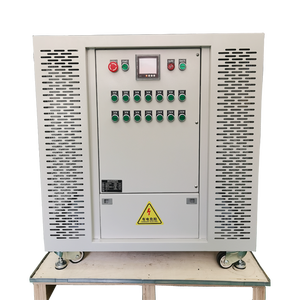
Enterprise buyers in Istanbul increasingly demand automated PC-controlled load management systems. Advanced microprocessors enable multi-unit master-slave synchronization over Ethernet/RS485 Modbus, real-time transient data logging, harmonic frequency profiling, and automated 1-click PDF compliance reporting tailored for regulatory audits.
Istanbul’s coastal climate combines high marine humidity, salt spray, and urban industrial particulate air load. Modern buyers mandate IP55/IP56 weather-sealed control enclosures, anti-corrosive stainless steel alloy (AISI 304/316) heating elements, and insulated vertical exhaust plenums designed to withstand coastal storm conditions.
Why lead electrical engineers, EPC contractors, and equipment rental suppliers choose our load bank architecture.
Engineered on robust current-fed dynamic power processing principles, our load elements feature exceptional short-circuit tolerance, zero power factor drift under extreme thermal elevation, and graceful dissipation under highly reactive or harmonic-distorted industrial currents.
From sheet-metal laser cutting and CNC enclosure fabrication to magnetic coil winding and PCB assembly, all hardware undergo 100% full-power burn-in testing prior to shipment, guaranteeing long-term operational reliability with conservative component derating.
With streamlined global manufacturing and stock availability of portable 50kW - 300kW AC units, we support urgent equipment delivery directly to key Marmara ports including Ambarlı, Haydarpaşa, and Tuzla, supported by full customs documentation (ATR / EUR.1 / CE).
Addressing critical technical, regulatory, and logistics queries from local engineering procurement managers.
Need a customized load bank proposal, detailed technical drawings, or an urgent quotation for projects in Istanbul, Turkey, or international sites? Our senior applications engineers are standing by to review your single-line diagrams and operational specifications.