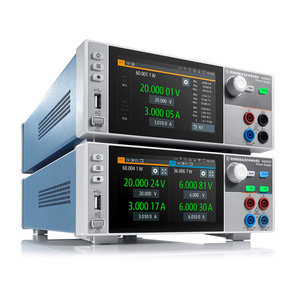
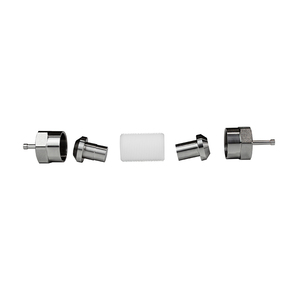
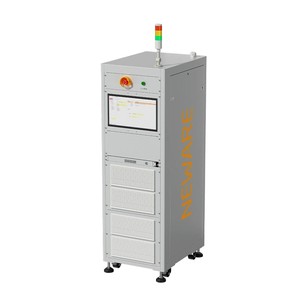
Direct OEM factory equipment for electrochemical research, micro-amp coin cell characterization, EV traction pack emulation, and automated BMS hardware-in-the-loop (HIL) testing.
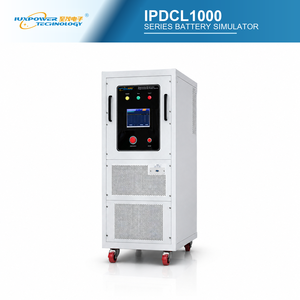
An in-depth technical report analyzing power conversion paradigms, current-fed vs. voltage-fed architectures, micro-amp precision sourcing, and international procurement standards.
As global electrification accelerates across electric vehicles (EVs), renewable energy microgrids, grid-scale Battery Energy Storage Systems (BESS), and consumer electrochemistry, traditional passive DC loads and fixed DC power supplies no longer suffice. Evaluating modern Battery Management Systems (BMS), motor controllers, traction inverters, and wide-bandgap (SiC/GaN) semiconductor devices requires dynamic load simulators and battery cell emulators.
China has emerged as the global epicenter for power electronics manufacturing, leading the world in high-power density magnetics, high-dynamic digital signal processor (DSP) algorithms, and cost-effective vertical manufacturing integration. China load simulator exporters now deliver hardware platforms ranging from sub-milliwatt coin cell testers (CR2032/CR2016) up to multi-megawatt (10MW+) water-cooled industrial grid simulators. Sourcing directly from top Chinese exporters provides international test laboratories with equipment featuring fast dynamic response, current-fed stability, bi-directional energy recovery, and SCPI program compliance at unmatched economic performance ratios.
When selecting an industrial load simulator or battery emulator, understanding the underlying power topology is vital for long-term reliability and measurement fidelity:
Key technical criteria driving international RFQ evaluation, system integration requirements, and equipment procurement strategies.
Next-generation EV powertrains operate on 800V to 1200V nominal architectures. Exporters are shifting from 600V legacy limits to 1500V high-voltage DC simulators capable of evaluating wide-bandgap SiC inverters with minimal output capacitance.
Modern battery management systems demand 24-channel to 192-channel isolated cell simulators. Procurement teams prioritize units offering sub-millivolt channel isolation, active cell balancing strategy simulation, and automated fault injection (open circuit, short circuit, reverse polarity).
Environmental regulations and operational energy costs have made passive burn-off load banks obsolete. Modern megawatt-scale China load simulators incorporate regenerative grid-tie inverters that feed absorbed load power back into the factory AC grid with >95% efficiency.
Comprehensive spec comparison across micro-scale, industrial bench, high-power dynamic, and multi-channel HIL equipment platforms.
| Platform Category | Typical Voltage Range | Current / Power Envelope | Control Slew Rate | Primary Application Field |
|---|---|---|---|---|
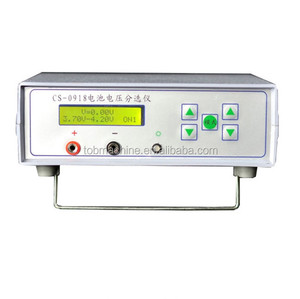
| Micro Coin Cell Simulators | 0 – 6 V DC | 100 nA – 5 A (Low Noise) | < 20 µs | CR2032/2016 electrochemistry, wearable electronics, medical sensors, precision lab testing. |
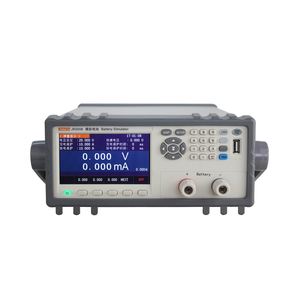
| Bench High-Precision Simulators | 0 – 60 V / 220 V DC | 1 kW – 5 kW per unit | < 500 µs | Industrial IoT, portable power tool testing, automated assembly line end-of-line verification. |
| Multi-Channel BMS Cell Simulators | 0 – 5 V per Channel (24 Ch+) | 0.5 A Sinking / Sourcing per Ch | < 100 µs Isolated | BMS validation, SOC estimation modeling, passive/active cell balance logic stress testing. |
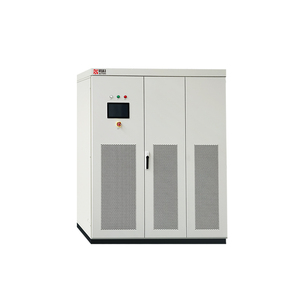
| Megawatt Heavy-Duty Simulators | 150 V – 1500 V DC | 150 kW – 10 MW (Parallelable) | < 1 ms (Water-Cooled) | EV traction motor test benches, solar inverter MPPT validation, hypersonic arc heaters, marine power. |
Vertically integrated engineering, competitive lead times, and global international compliance support.
Export-grade load simulators comply with CE, IEC 61010-1 electrical safety, and EN 61326-1 EMC standards. Systems undergo 100% full-power burn-in testing before international dispatch.
From internal high-frequency transformer winding and CNC sheet metal fabrication to surface-mount PCB assembly (SMT), vertical integration delivers typical customized build times of 4 to 6 weeks.
Standardized programming protocols (SCPI over Ethernet/LXI, USB, RS485/RS232, and optional Modbus TCP / CANopen) ensure immediate compatibility with LabVIEW, MATLAB/Simulink, and Python test automation stacks.
Direct answers to essential buyer queries regarding load simulator exporting, system customization, and warranty terms.
Need custom voltage/current envelopes, multi-channel BMS isolation, or megawatt bi-directional load simulator configurations? Request a technical quote and engineering consultation today.
Get a Quote