
Explore our custom-engineered test solutions built with military-grade Bakelite, FR-4, anodized 6061 aluminum, and anti-static ESD synthetic polymers.
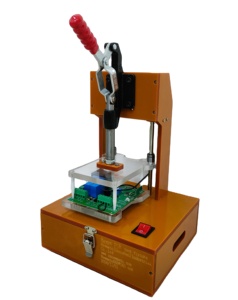
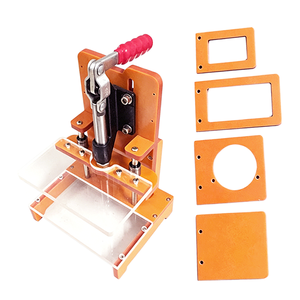
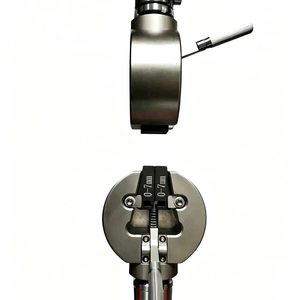
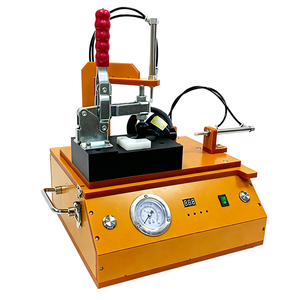
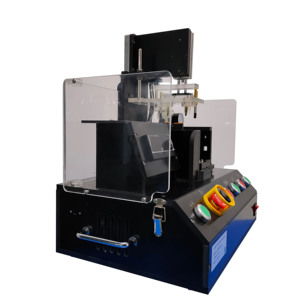
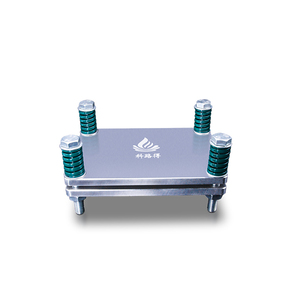
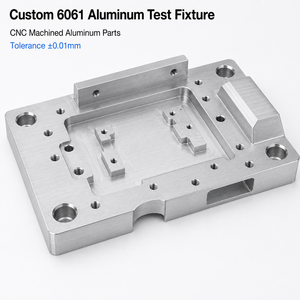
In high-density printed circuit board assembly (PCBA), semiconductor packaging, and automotive electric vehicle (EV) battery production, the test fixture serves as the critical electromechanical interface between the Device Under Test (DUT) and automated test equipment (ATE). As an established OEM/ODM test fixture manufacturer and global exporter, our engineering team integrates advanced mechanical design, electrostatic discharge (ESD) material control, high-frequency signal integrity management, and micro-pitch probe alignment into every custom jig.
ICT fixtures remain the foundation of volume defect screening. By deploying custom probe plates drilled to micron-level accuracy, our ICT jigs achieve precise contact with circuit test pads spaced down to 0.4mm pitch. Utilizing premium spring-loaded pogo pins (manufactured from beryllium copper with gold plating), our ICT solutions maintain contact resistance below 20 mΩ over hundreds of thousands of cycles. Specialized strain-relief top plates prevent PCB flexure during mechanical or vacuum actuation, preserving solder joint integrity across delicate Surface Mount Technology (SMT) components.
FCT test fixtures emulate the actual operating environment of the finished electronic product. Our OEM/ODM FCT designs incorporate integrated Programmable Logic Controllers (PLCs), pneumatic cylinders, optical sensor alignment, micro-switches, and customizable load modules. From testing high-power automotive motor controllers to micro-voltage RF communication boards, our functional jigs provide zero-interference shielded enclosures with integrated cooling channels for continuous stress testing.
Select the ideal material substrate and actuation mode for your specific production line testing requirements.
| Fixture Substrate Material | Surface Resistivity (ESD) | Thermal Resistance | Machining Tolerance | Primary Engineering Application |
|---|---|---|---|---|
| ESD Bakelite (HP2061) | 106 – 109 Ω/sq | Up to 130°C | ±0.010 mm | ICT / FCT Standard Circuit Board Testing, Insulation Jigs |
| Synthesized Durostone | Dissipative / Insulative | Up to 300°C (Peak) | ±0.008 mm | Wave Soldering Carrier Pallets, Solder Reflow Jigs |
| 6061-T6 Aircraft Aluminum | Conductive / Hard Anodized | High Thermal Conductivity | ±0.005 mm | Automation Equipment, Pneumatic FCT Frames, EV Battery Testers |
| Cast PMMA Acrylic | Insulative (>1012 Ω/sq) | Up to 80°C | ±0.015 mm | Optical Inspection, Visual Alignment Jigs, Lab Chamber Boxes |
| POM-C Polyacetal (Delrin) | Surface Dissipative Available | Up to 110°C | ±0.008 mm | High-Wear Mechanical Guides, Micro-Probe Alignment Modules |
How miniaturization, 5G/6G millimeter wave communications, and clean energy transition are reshaping global test fixture manufacturing specifications.
As semiconductor packaging transitions toward System-in-Package (SiP) and 3D stacked ICs, conventional ICT probe spacing is insufficient. Future procurement strategies prioritize suppliers capable of CNC back-drilling and micro-laser ablation for high-density probe positioning with micro-groove spring probes to minimize contact cratering on solder pads.
With the expansion of Automotive Ethernet, Wi-Fi 7, and 5G mmWave modules, signal crosstalk during functional testing presents a major bottleneck. OEM/ODM buyers are shifting demand toward fully integrated RF Faraday cage test boxes equipped with honeycomb air vents, microwave-absorbing foam, and seamless pneumatic seal mechanisms offering >80dB attenuation from 0.8GHz to 12GHz.
Electric vehicle soft-pack pouch cells, 4680 cylindrical cells, and prismatic battery modules require high-current, low-resistance test jigs. Current purchasing trends favor custom copper-beryllium nickel-plated busbars with four-wire Kelvin sensing configurations to eliminate wire resistance errors during rapid charging/discharging characterization.
Complete vertical integration from Gerber file parsing to final automated calibration ensures unmatched quality, short lead times, and competitive global pricing.
Our engineering design department uses proprietary software to analyze customer Gerber data, ODB++ files, and 3D CAD models (STEP/IGES). We conduct mechanical stress analysis prior to drilling to eliminate PCB strain risks and ensure optimum probe force distribution (ranging from 1.5N to 3.0N per probe point depending on surface finish).
Equipped with modern high-speed CNC milling machines operating at 40,000 RPM, we machine complex 3D profiles in aluminum alloys, Bakelite, acrylic, and synthetic stone. Our positioning precision reaches ±0.005mm, ensuring exact probe-to-pad alignment for micro-BGA and ultra-fine pitch component testing.
We understand that electronics manufacturing schedules depend on rapid NPI (New Product Introduction). Our standard prototype delivery cycle is 3 to 5 business days from file approval. We maintain an extensive raw material inventory including ESD Bakelite, FR-4 plates, Pogo pins, and pneumatic cylinders to prevent supply chain delays.
Every test fixture undergoes 100% electrical continuity verification, insulation resistance testing (>100MΩ at 500V DC), pneumatic pressure leak testing, and mechanical actuation life validation before export packaging. All export units comply with RoHS, REACH, and CE standards.
Everything international purchasing managers and test engineers need to know about custom fixture production, ordering workflows, and technical maintenance.
Upload your Gerber files or 3D mechanical drawings today. Our senior test engineers will provide a comprehensive DFM (Design for Testability) review and competitive quotation within 24 hours.